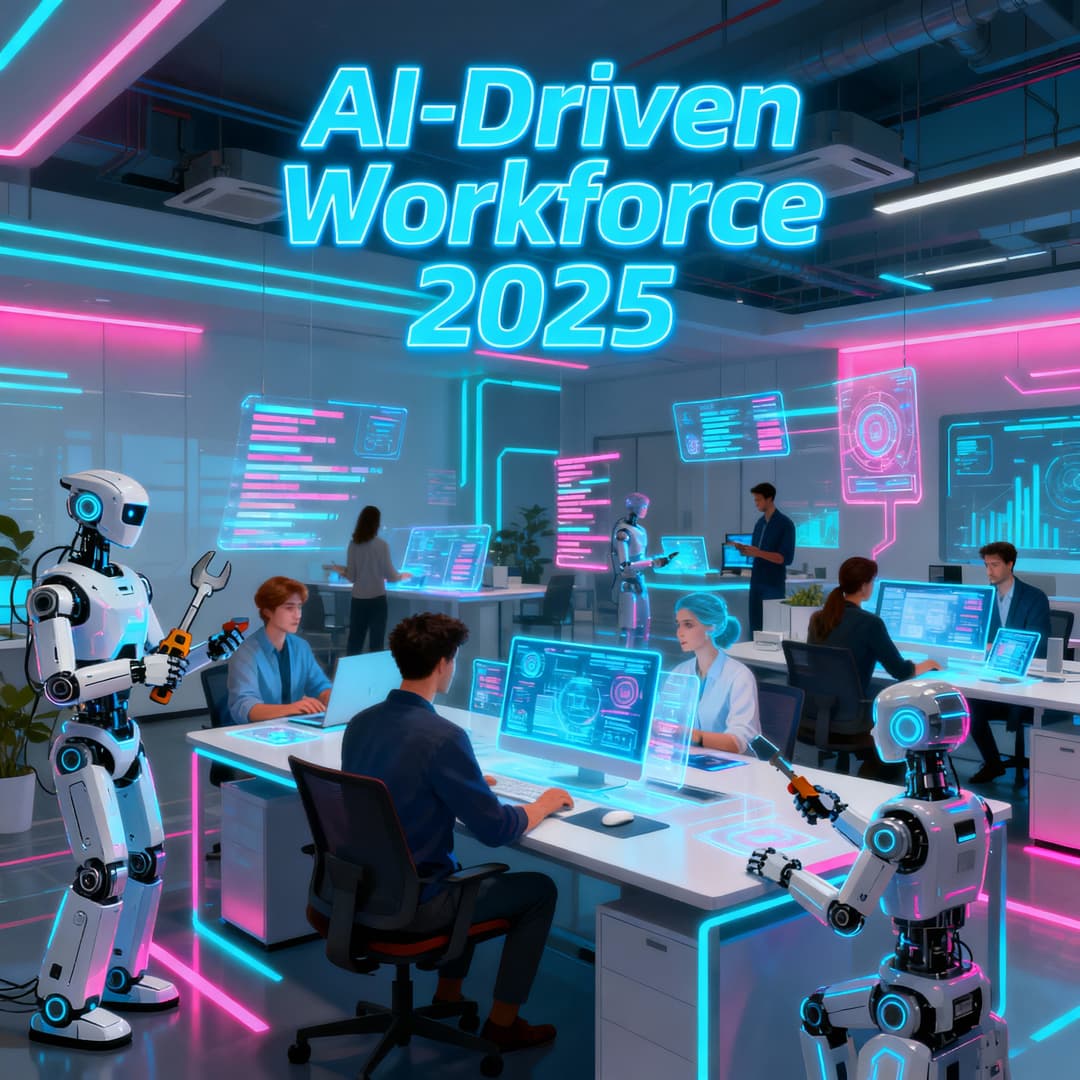
How AI is Changing Jobs in 2026: What Students and Professionals Need to Know
Artificial intelligence is quietly transforming the workplace. If you’ve been paying attention, you might have noticed AI tools popping up everywhere — from chatbots handling customer requests to automated software writing reports. But what does this mean for your career? Which jobs are at risk, and which ones are thriving? Let’s break it down.
AI’s Impact on Jobs: What the Numbers Say
According to the World Economic Forum:
- About 40% of employers expect to reduce roles that AI can automate.
- On the flip side, 11 million new jobs are expected to appear by 2027 thanks to technology.
- Experts predict that by 2040, 50–60% of current jobs could be affected by AI in some way.
That sounds scary, but don’t panic. Many roles won’t disappear — they’ll just change.
Jobs Most Likely to Be Affected
Some work is more “replaceable” than others. AI handles repetitive and routine tasks extremely well. Think of:
| Job Type | AI Impact | Example Roles |
|---|---|---|
| Data Entry | High | Clerks, typists |
| Customer Service | High | Call center agents, chatbots |
| Administrative | High | Schedulers, receptionists |
| Software Engineering | Moderate | Junior developers, coders |
| Healthcare | Low | Nurses, therapists, doctors |
| Skilled Trades | Low | Electricians, carpenters |
| Creative Professions | Moderate | Writers, designers, marketers |
Tip: If your job requires creativity, human interaction, or problem-solving, AI is likely to assist you rather than replace you.
Opportunities in an AI World
AI doesn’t just take jobs — it creates them. Some of the fastest-growing roles include:
- AI Trainers: Teach AI systems to understand human behavior.
- Data Scientists: Analyze AI-generated data to make decisions.
- Human-Machine Teaming Managers: Ensure AI and humans work efficiently together.
- AI Ethics Specialists: Make sure AI is used responsibly.
The key skill here? Adaptability. Lifelong learning will keep you relevant as AI reshapes industries.
How to Stay Ahead
Here’s what students and professionals can do:
- Upskill regularly – Learn AI tools, data analysis, and digital productivity platforms.
- Focus on creativity & strategy – Tasks that AI can’t easily replicate.
- Mix AI with human skills – Don’t fight AI; use it to become more efficient.
- Network and learn from others – AI can’t replace mentorship, experience, and human insight.
Personally, I’ve seen people in marketing and content creation use AI to cut repetitive work while still shining creatively. It’s not about AI replacing us — it’s about how we use AI.
FAQs: AI and Your Career
Will AI replace all jobs?
No. AI is more likely to transform jobs than fully replace them, especially for roles requiring human interaction, complex decision-making, and physical skills.
Which careers are safest from AI?
Jobs in healthcare, skilled trades, and creative professions are less likely to be automated, with AI mainly supporting rather than replacing these roles.
How can I stay relevant in the job market?
Develop skills in AI, data analysis, and digital tools, and prioritize lifelong learning and adaptability.
What is the economic impact of AI on jobs?
While AI will displace some roles, it’s also expected to create new jobs, enhance productivity, and offer higher wages for those equipped with the right skills.
Final Thoughts
AI isn’t just replacing jobs—it’s changing the nature of work, opportunities, and required skills. Embracing lifelong learning and adapting to new technologies will be key for success in the evolving job market.
Remember: the best way to succeed in 2026 and beyond is to use AI as a partner, not an enemy.
References
- World Economic Forum: AI and Jobs Report 2026
- PwC: AI Jobs Barometer 2026
- McKinsey & Company: AI Impact on Jobs 2026
- Bloomberg: AI Job Automation Trends 2026
- Indeed: AI at Work Report
- J.P. Morgan: AI and Job Growth